Understanding the Link and Finding Support Between Mental Health and Speech Disorders
In our journey through life, communication plays a pivotal role in how we express ourselves, connect with others, and navigate the world around us. However, for some individuals, communication can be a complex and challenging aspect of daily life due to speech disorders. These disorders not only affect verbal expression but can also have a significant impact on mental health and well-being.
Understanding the Link: What are Speech Disorders?
Speech disordersencompass a range of conditions that affect a person’s ability to produce sounds, articulate words, or communicate fluently. Some common types of speech disorders include stuttering, apraxia of speech, dysarthria, and language disorders.
Stuttering is characterized by disruptions in the flow of speech, such as repetitions of sounds, syllables, or words, and prolongations of sounds. Apraxia of speech involves difficulty planning and coordinating the movements necessary for speech production. Dysarthria results from weakness or coordination problems in the muscles used for speech, leading to slurred or unclear speech. Language disorders involve difficulties understanding or using spoken or written language.
The Impact on Mental Health:
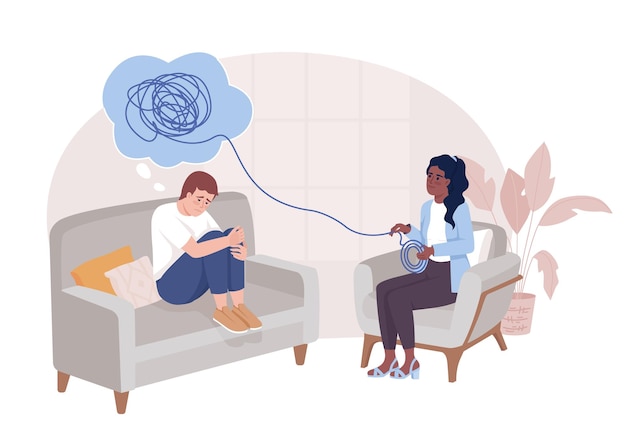
Living with a speech disorder can have profound effects on an individual’s mental health and emotional well-being. Communication challenges may lead to frustration, anxiety, and feelings of isolation. Children with speech disorders may experience bullying or social rejection, further exacerbating their emotional distress.
For adults, speech disorders can affect various aspects of life, including work, relationships, and social interactions. Communication difficulties may contribute to low self-esteem, social anxiety, and depression. The fear of being judged or misunderstood can lead to avoidance of social situations and withdrawal from meaningful activities.
The Link to Mental Health:
The relationship between speech disorders and mental health is complex and multifaceted. While speech disorders can contribute to mental health issues, such as anxiety and depression, mental health conditions can also impact speech and communication abilities.
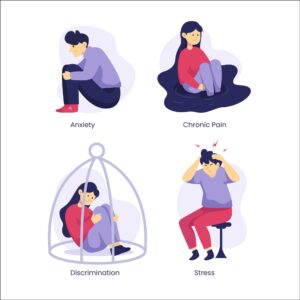
Anxiety and Stress: Individuals with speech disorders may experience heightened levels of anxiety and stress related to communication challenges. The fear of stuttering or being unable to articulate words fluently can trigger feelings of anxiety in social situations or when speaking in public.
Depression: The impact of living with a speech disorder, including social isolation, feelings of inadequacy, and difficulties in interpersonal relationships, can contribute to depression. Persistent feelings of sadness, hopelessness, and worthlessness may develop over time.
Social Isolation: Communication difficulties may lead to social isolation and a sense of loneliness, particularly if individuals feel misunderstood or excluded from social interactions. Lack of social support can further exacerbate feelings of depression and anxiety.
Low Self Esteem: Repeated experiences of struggling to communicate effectively may erode self-confidence and self-esteem. Negative self-perceptions and feelings of inadequacy may develop, impacting overall well-being and quality of life.
Seeking Support and Treatment:
Recognizing the link between mental health and speech disorders is essential for providing comprehensive support and treatment. It’s crucial for individuals affected by speech disorders to seek professional help from speech-language pathologists, who specialize in assessing and treating communication disorders.
Speech therapy can help individuals improve their communication skills, enhance fluency, and develop strategies for coping with anxiety and stress. Therapeutic approaches may include speech exercises, relaxation techniques, and cognitive-behavioral strategies to address underlying emotional issues.
In addition to speech therapy, individuals may benefit from counseling or therapy to address mental health concerns such as anxiety, depression, and low self-esteem. Cognitive-behavioral therapy (CBT) and other evidence-based interventions can help individuals challenge negative thought patterns, build coping skills, and improve overall well-being.
Supportive interventions and accommodations in educational and work settings can also help individuals with speech disorders thrive. Educators, employers, and peers can play a crucial role in creating inclusive environments that foster communication and support the unique needs of individuals with speech disorders.
Breaking the Stigma:
It’s essential to challenge stigma and misconceptions surrounding speech disorders and mental health. By promoting awareness, understanding, and acceptance, we can create a more inclusive society where individuals with speech disorders feel valued, respected, and supported.
Encouraging open dialogue and empathy can help reduce feelings of shame or embarrassment associated with speech disorders. Emphasizing the importance of effective communication and celebrating diversity in communication styles can foster a culture of acceptance and inclusion.
Moving Forward:
The link between mental health and speech disorders underscores the importance of taking a holistic approach to care and support. By addressing both the communication challenges and the emotional impact of speech disorders, we can empower individuals to lead fulfilling lives and reach their full potential.
Together, let’s continue to raise awareness, promote acceptance, and advocate for accessible resources and support for individuals with speech disorders. By working together, we can create a world where everyone’s voice is heard and valued.
Remember, if you or someone you know is struggling with a speech disorder or mental health concerns, you’re not alone. Reach out for support, and know that help is available. You deserve to live a life filled with communication, connection, and well-being.
Singh’s suffering from Screen Addiction and bringing changes in screen habits
Once upon a time in the bustling city of Delhi, there lived a family of four – the Singhs. Mr. and Mrs. Singh were hardworking parents who wanted the best for their two children, Rahul and Priya. Like many families in today’s digital age, the Singhs found themselves grappling with the challenges of screen addiction and its impact on family life.
It all began innocently enough. With the advent of smartphones and tablets, screens had become an integral part of the Singh household. From watching cartoons to playing games, Rahul and Priya spent increasing amounts of time glued to their devices. But as their screen time grew, so did the concerns of Mr. and Mrs. Singh.
Feeling overwhelmed by the constant battle for their children’s attention, the Singhs knew they needed to take action. They embarked on a journey to find strategies for fostering healthy tech habits in their family, navigating the complexities of parenting in the age of screen addiction in India.
Their first step was education. Mr. and Mrs. Singh took the time to understand the risks associated with excessive screen time, including its impact on physical health, mental well-being, and family dynamics. Armed with knowledge, they were better equipped to make informed decisions about screen use in their household.
Next, the Singhs implemented clear and consistent rules around screen time. They established designated “tech-free zones” in the house, such as the dining table and bedrooms, where screens were not allowed. They also set limits on the amount of screen time allowed each day, encouraging their children to engage in offline activities instead.
But enforcing these rules wasn’t always easy. Rahul and Priya resisted at first, accustomed to the instant gratification of their devices. To make the transition smoother, the Singhs introduced alternative forms of entertainment, such as board games, outdoor play, and family outings. They emphasised the importance of quality time spent together, free from the distractions of screens.
Communication was key in the Singh household. Mr. and Mrs. Singh openly discussed the reasons behind their screen time rules with Rahul and Priya, fostering a sense of understanding and cooperation. They encouraged their children to share their thoughts and feelings about technology, creating an open dialogue where concerns could be addressed without judgement.
As the Singhs navigated their journey towards healthy tech habits, they encountered challenges along the way. Peer pressure and societal norms often perpetuated the idea that more screen time equated to better parenting. But the Singhs remained steadfast in their commitment to prioritising their family’s well-being over societal expectations.
With time and patience, the Singhs began to see positive changes in their family dynamic. Rahul and Priya became more engaged in offline activities, rediscovering the joys of imaginative play and meaningful interactions with their parents. Family bonding flourished, strengthened by shared experiences and quality time spent together.
The Singhs’ journey serves as a reminder that navigating parenting in the age of screen addiction is not without its challenges. But with dedication, communication, and a commitment to prioritising family well-being, it is possible to foster healthy tech habits and create a balanced approach to screen time in Indian households.
As they continue on their journey, the Singhs serve as an inspiration to families across India, proving that with love, understanding, and a willingness to adapt, it is possible to thrive in the digital age while staying connected to what truly matters – each other.
The Importance of Self Care for Parents of Children with Psychological Disorders
Parenting is a journey filled with love, joy, and challenges. When you have a child with a psychological disorder, the journey may feel more overwhelming at times. As a parent, it’s natural to prioritise your child’s well-being above all else, but it’s equally important to prioritise your own well-being too. In this blog, we’ll explore the significance of self-care for parents of children with psychological disorders and offer practical tips for finding balance along the way.
Understanding the Journey
Parenting a child with a psychological disorder comes with unique demands and stressors. Whether your child has ADHD, autism, anxiety, depression, or another condition, you may find yourself navigating a complex maze of appointments, therapies, and challenges. It’s easy to become consumed by your child’s needs and neglect your own, but neglecting self-care can take a toll on your physical, emotional, and mental health.
The Importance of Self Care
Self-care isn’t selfish – it’s essential. Just like oxygen masks on an aeroplane, you must take care of yourself before you can effectively care for others. Here’s why self-care is crucial for parents of children with psychological disorders:
Resilience: Self-care strengthens your resilience and ability to cope with stress. By prioritizing your own well-being, you’ll be better equipped to handle the challenges that come with parenting a child with a psychological disorder.
Modelling Healthy Behavior: As a parent, you are your child’s first and most influential role model. When you prioritize self-care, you’re teaching your child the importance of taking care of oneself and modelling healthy coping strategies.
Emotional Well-Being: Parenting a child with a psychological disorder can be emotionally taxing. Self-care activities such as mindfulness, journaling, or talking to a supportive friend can help you manage stress, process emotions, and maintain emotional balance.
Physical Health: Neglecting self-care can lead to physical health problems such as exhaustion, weakened immune system, and chronic health conditions. Engaging in regular exercise, eating nutritious meals, and getting enough sleep are vital components of self-care that support physical health.
Preventing Burnout: Parental burnout is a real concern for parents of children with psychological disorders. Taking breaks, setting boundaries, and practising self-compassion are essential for preventing burnout and maintaining long-term care giving sustainability.
Practical Self Care Tips for Parents
Now that we understand the importance of self-care, let’s explore some practical self-care tips for parents of children with psychological disorders:
Prioritize Basic Needs: Ensure you’re meeting your basic needs for sleep, nutrition, hydration, and hygiene. Set a regular sleep schedule, nourish your body with healthy foods, drink plenty of water, and practise good hygiene habits.
Set Boundaries: Learn to say no to activities or commitments that drain your energy or overwhelm you. Setting boundaries is essential for protecting your time, energy, and well-being.
Find Support: Build a support network of friends, family members, support groups, or online communities who understand your journey and can offer empathy, encouragement, and practical support.
Take Breaks: Give yourself permission to take breaks and engage in activities that recharge your batteries. Whether it’s reading a book, going for a walk, or indulging in a hobby, carve out time for activities that bring you joy and relaxation.
Practice Mindfulness: Incorporate mindfulness practices such as meditation, deep breathing, or progressive muscle relaxation into your daily routine to reduce stress, increase self-awareness, and promote emotional well-being.
Seek Professional Help: Don’t hesitate to seek professional help if you’re struggling with your mental health. A therapist, counsellor, or mental health professional can provide support, guidance, and coping strategies to help you navigate the challenges of parenting a child with a psychological disorder.
Communicate Openly: Communicate openly with your partner, co-parent, or other caregivers about your needs, concerns, and boundaries. Effective communication is essential for building a strong support system and fostering a sense of teamwork in caregiving responsibilities.
Celebrate Small Victories: Celebrate the small victories and milestones along the way, no matter how small they may seem. Acknowledge your efforts and accomplishments as a parent, and practice self-compassion and self-acceptance.
Seek Respite Care: Take advantage of respite care services or trusted caregivers who can provide temporary relief and allow you to take a much-needed break.
Stay Educated: Stay informed about your child’s condition, treatment options, and resources available to support your family. Knowledge empowers you to make informed decisions and advocate effectively for your child’s needs.
Conclusion
Parenting a child with a psychological disorder is a challenging and rewarding journey. While your child’s well-being is undoubtedly a top priority, it’s essential to remember that your well-being matters too. By prioritising self-care, setting boundaries, seeking support, and practising mindfulness, you can cultivate resilience, maintain emotional balance, and find fulfilment in your role as a parent. Remember, you are not alone, and taking care of yourself is an essential part of the journey.
Understanding Adhd and setting healthy boundaries for children
In today’s digital world, technology surrounds us everywhere we go. From smartphones to tablets to computers, screens have become a constant presence in our lives. While technology offers many benefits, it also raises concerns, especially when it comes to children with ADHD (Attention-Deficit/Hyperactivity Disorder). In this blog, we’ll explore the impact of technology on childhood ADHD and how parents can navigate screen time in a digital age.
Understanding ADHD
First, let’s understand what ADHD is all about. ADHD is a Neurodevelopmental disorder that affects a person’s ability to focus, control impulses, and regulate energy levels. Children with ADHD may struggle with paying attention, staying organised, and managing their emotions.
The Appeal of Screens
Screens are like magnets for kids – they’re bright, engaging, and offer instant gratification. For children with ADHD, screens can be particularly captivating because they provide constant stimulation. Video games, social media, and streaming services offer a world of entertainment at their fingertips.
The Downsides of Excessive Screen Time
While screens can be entertaining and educational, excessive screen time can exacerbate symptoms of ADHD. Here’s how:
Attention Span: Excessive screen time can shorten attention spans and make it harder for children with ADHD to focus on tasks that require sustained attention, such as homework or chores.
Hyperactivity: Video games and fast-paced media can increase hyperactivity and impulsivity in children with ADHD, making it difficult for them to sit still or regulate their behavior.
Sleep Disruption: The blue light emitted by screens can disrupt sleep patterns, leading to difficulties falling asleep and staying asleep – a common issue for children with ADHD.
Social Skills: Excessive screen time can limit opportunities for face-to-face interactions and socialization, which are important for developing social skills and emotional intelligence.
Setting Healthy Boundaries
So, what can parents do to navigate screen time and support their child with ADHD? Here are some tips:
Limit Screen Time: Set clear limits on screen time and establish screen-free zones in the home, such as the dinner table and bedrooms. Encourage alternative activities like outdoor play, reading, and creative hobbies.
Monitor Content: Be mindful of the content your child is consuming online. Choose age-appropriate, educational content and avoid violent or overly stimulating media.
Create a Routine: Establish a daily routine that includes designated screen time slots. Consistency and structure can help children with ADHD manage their time more effectively.
Encourage Breaks: Encourage your child to take regular breaks during screen time to rest their eyes, stretch their muscles, and engage in physical activity. Breaks can help prevent screen overstimulation and reduce hyperactivity.
Model Healthy Habits: Be a positive role model by practicing healthy screen habits yourself. Limit your own screen time, prioritize face-to-face interactions, and engage in offline activities with your child.
Utilizing Technology Wisely
While excessive screen time can be detrimental, technology can also be a valuable tool for children with ADHD when used mindfully. Here’s how:
Educational Apps: There are many educational apps and programs designed specifically to support children with ADHD. These apps can help improve focus, organisation, and time management skills in a fun and interactive way.
Tools for Organization: Technology can be a helpful tool for children with ADHD to stay organised and manage their tasks. Encourage the use of digital calendars, reminders, and task management apps to help them stay on track.
Mindfulness Apps: Mindfulness and meditation apps can help children with ADHD calm their minds, reduce stress, and improve self-regulation skills. Incorporate mindfulness practices into your child’s daily routine to promote relaxation and emotional well-being.
Seeking Professional Support
If you’re struggling to manage your child’s screen time or if you have concerns about their ADHD symptoms, don’t hesitate to seek professional support. A pediatrician, mental health professional, or ADHD specialist can provide guidance and resources to help you navigate these challenges effectively.
In conclusion, technology can have both positive and negative effects on children with ADHD. By setting healthy boundaries, monitoring content, and utilizing technology wisely, parents can help their child navigate screen time in a digital age. Remember, finding balance is key – prioritize activities that promote physical activity, social interaction, and cognitive development while limiting excessive screen time. With mindful guidance and support, children with ADHD can thrive in today’s digital world.
Feeding Minds: The Impact of Nutrition on Children with Behavioral Disorders
Do you know that what your child eats can affect their behavior? It’s true! Good nutrition isn’t just about growing strong bodies; it’s also about nourishing healthy minds. In this blog, we’ll explore the important role that nutrition plays in managing childhood behavioral disorders.
Imagine your child as a car. Just like a car needs the right fuel to run smoothly, your child’s brain needs the right nutrients to function well. When they don’t get the proper fuel, their behavior might start acting up. Let’s dive into how different foods can impact your child’s behavior and what you can do to support their mental health through nutrition.
Balancing Blood Sugar: Have you ever noticed how your child gets cranky when they’re hungry? That’s because low blood sugar levels can affect mood and behavior. To keep blood sugar stable, aim for meals and snacks that combine protein, healthy fats, and complex carbohydrates. Foods like eggs, nuts, whole grains, and fruits can help maintain steady energy levels throughout the day.
Omega-3 Fatty Acids: These healthy fats are like superheroes for the brain. They support cognitive function and can help reduce symptoms of ADHD and other behavioral disorders. You can find omega-3s in fatty fish like salmon, walnuts, flaxseeds, and chia seeds. Consider adding these foods to your child’s diet regularly.
Limiting Sugar and Processed Foods: Sugary snacks and processed foods may taste good, but they can wreak havoc on your child’s behaviobehaviora;r. Too much sugar can cause energy crashes and mood swings. Try to minimize sugary drinks, candies, and processed snacks in your child’s diet. Instead, opt for whole, minimally processed foods that provide sustained energy and essential nutrients.
Nutrient-Rich Foods: Encourage your child to eat a variety of nutrient-rich foods to support their overall health and well-being. Colorful fruits and vegetables, lean proteins, whole grains, and dairy or dairy alternatives can provide essential vitamins and minerals that support brain function and mood regulation.
Hydration: Did you know that even mild dehydration can affect mood and cognitive function? Make sure your child stays hydrated throughout the day by offering plenty of water and limiting sugary drinks. Dehydration can exacerbate symptoms of behavioral disorders, so encourage your child to drink water regularly.
Mindful Eating: Teaching your child to eat mindfully can help them develop a healthy relationship with food and better regulate their emotions. Encourage them to pay attention to hunger and fullness cues, eat slowly, and savour each bite. Avoid using food as a reward or punishment, and instead, focus on fostering a positive and supportive eating environment.
Seek Professional Guidance: If your child has been diagnosed with a behavioral disorder, work closely with healthcare professionals, including pediatricians, dietitians, and mental health professionals. They can help create a personalized nutrition plan tailored to your child’s specific needs and preferences.
In conclusion, nutrition plays a crucial role in managing childhood behavioral disorders. By prioritising balanced meals, omega-3 fatty acids, and nutrient-rich foods while limiting sugar and processed foods, you can support your child’s mental health and well-being. Encourage mindful eating habits and seek professional guidance as needed to ensure your child receives the nourishment they need to thrive both physically and mentally. Remember, nourishing minds start with nourishing bodies!
Revealing Depression: A Personal Voyage Into the Depths
Once upon a time, in a bustling city filled with the hustle and bustle of daily life, there lived a young woman named Maya. To the outside world, Maya appeared to have it all – a successful career, a loving family, and a vibrant social life. But behind closed doors, Maya was battling a silent enemy: depression.
Maya had always been the life of the party, the one with a smile plastered on her face and laughter bubbling from her lips. But as the weight of depression began to bear down on her, that smile became a mask, hiding the pain and turmoil raging inside her.
At first, Maya brushed off the feelings of sadness and hopelessness as mere passing phases. She told herself that she was just tired, that she needed to push through and keep going. But as days turned into weeks and weeks into months, the darkness within her grew deeper, swallowing her whole.
It was during a particularly bleak moment that Maya realised she couldn’t keep up the facade any longer. She found herself sitting alone in her apartment, surrounded by a sea of empty pill bottles and tear-stained tissues. In that moment of desperation, she knew she needed help.
With trembling hands, Maya reached out to a therapist, her voice barely above a whisper as she admitted her struggles. And so began her journey of unveiling the mask of depression, of confronting the shadows that had long haunted her.
Through therapy, Maya learned to identify the thoughts and behaviours that were fueling her depression. She discovered that depression wasn’t just a matter of feeling sad – it was a complex web of negative thoughts, distorted beliefs, and chemical imbalances in the brain.
As Maya peeled back the layers of her depression, she began to understand that it wasn’t something she could just “snap out of.” It was a real and legitimate illness that required treatment and support.
With the help of her therapist, Maya explored various coping strategies and techniques to manage her symptoms. She learned the importance of self-care, of taking time for herself and doing things that brought her joy. She also discovered the healing power of connection, reaching out to friends and loved ones for support during her darkest moments.
But perhaps the most important lesson Maya learned was that she wasn’t alone. She discovered a community of people who were battling their own demons, who understood the pain and isolation that came with depression. Through support groups and online forums, Maya found solace in knowing that there were others out there who understood what she was going through.
Slowly but surely, Maya began to emerge from the shadows of her depression. It wasn’t easy, and there were setbacks along the way, but with each passing day, she grew stronger. She reclaimed her life, rediscovering the things that brought her joy and purpose.
Today, Maya’s journey with depression is far from over. There are still days when the darkness threatens to consume her, when the weight of it all feels too heavy to bear. But she knows now that she has the tools and the support to face whatever challenges come her way.
Maya’s story is a reminder that depression can affect anyone, regardless of their outward appearance or achievements. It’s a reminder that behind closed doors, there may be someone struggling with invisible pain. But it’s also a story of hope, of resilience, and of the healing power of reaching out for help.
So, if you or someone you know is struggling with depression, know that you’re not alone. There is help and there is hope. Behind closed doors, there is light waiting to shine through the darkness.
Supporting Gender-Diverse Loved Ones: Journey of Riya towards Understanding and Embracing Identity
In a cosy neighbourhood, nestled amidst blooming gardens and friendly faces, lived the Sharma family – a loving household filled with warmth and laughter. At the heart of this family was Riya, a bright-eyed teenager whose journey of self-discovery would lead her loved ones on a path of understanding and acceptance.
Riya had always felt like she was living in a world that didn’t quite fit. From a young age, she found herself drawn to clothes and toys traditionally associated with boys, much to the confusion of her parents, Rohan and Aisha. They watched with a mix of concern and bewilderment as Riya struggled to conform to the gender expectations placed upon her.
As Riya grew older, her inner turmoil became more apparent. She began to withdraw from family gatherings, spending hours alone in her room, lost in her own thoughts. Aisha sensed that something was amiss and gently broached the subject with Riya one evening over dinner.
“Is everything okay, Riya?” Aisha asked, her voice laced with concern. “You seem distant lately.”
Riya hesitated, unsure of how to articulate the feelings swirling inside her. Finally, she looked up, her eyes brimming with tears. “I don’t feel like I belong in my own body,” she whispered, her voice trembling with emotion.
Rohan and Aisha exchanged worried glances, their hearts breaking for their daughter. They had heard of gender dysphoria before, but they never imagined it could affect someone so close to home. They longed to ease Riya’s pain, but they didn’t know where to begin.
Determined to support their daughter, Rohan and Aisha embarked on a journey of education and understanding. They devoured books and articles on gender dysphoria, seeking insights into Riya’s experiences and emotions. They attended support groups and reached out to professionals for guidance, eager to learn how they could best support their child.
As they delved deeper into the world of gender identity, Rohan and Aisha came to realise that their love for Riya transcended societal expectations. They understood that supporting Riya meant embracing her for who she truly was, regardless of the gender assigned to her at birth.
Armed with newfound knowledge and empathy, Rohan and Aisha approached Riya with open hearts and open minds. They listened as she poured out her fears and uncertainties, offering words of comfort and reassurance. They affirmed Riya’s gender identity, using her chosen name and pronouns with love and respect.
Slowly but surely, Riya began to emerge from the shadows of her dysphoria, her confidence growing with each passing day. She experimented with new clothes and hairstyles, revelling in the freedom to express herself authentically. And with the unwavering support of her family by her side, Riya embarked on a journey of self-discovery and self-acceptance.
But the road was not without its challenges. Along the way, the Sharma family encountered scepticism and prejudice from some members of their community. They faced hurtful remarks and ignorant assumptions, but they refused to let negativity dim their love for Riya.
Instead, they chose to lead by example, advocating for understanding and acceptance in their community. They shared Riya’s story with friends and neighbours, challenging stereotypes and fostering empathy. And slowly but surely, attitudes began to shift, and hearts began to open.
Today, Riya stands tall and proud, a beacon of hope for gender-diverse individuals everywhere. She knows that her journey is far from over, but she faces the future with courage and determination. And as she looks back on the unwavering love and support of her family, Riya knows that she is truly blessed.
For the Sharma family, gender dysphoria was not just a challenge to overcome – it was an opportunity to grow, to learn, and to love more deeply than they ever thought possible. And in embracing Riya for who she truly is, they discovered the true meaning of unconditional love.
Addressing Premarital Affair in Indian Marriages: Navigating Challenges
In the bustling city of Ahmedabad, lived Raj and Aisha, a young couple deeply in love and preparing to embark on the journey of marriage. They met during their college days and had been together for several years, dreaming of a future filled with love, laughter, and companionship.
However, their relationship faced a significant hurdle when rumours began to circulate about Aisha’s involvement in a premarital affair. Raj heard whispers from friends and family, and soon, doubts and insecurities began to creep into his mind.
Raj confronted Aisha, his heart heavy with worry and uncertainty. Aisha, taken aback by the accusations, vehemently denied any wrongdoing. She explained that the rumours were baseless and unfounded, and that she had been completely faithful to Raj throughout their relationship.
Despite Aisha’s assurances, Raj couldn’t shake off the feelings of betrayal and mistrust. He struggled to reconcile the image of Aisha he had built in his mind with the accusations he had heard. Their once harmonious relationship was now clouded by doubt and suspicion.
As they navigated through this turbulent time, Raj and Aisha realised that they needed to address the issue head-on if they were to salvage their relationship and move forward together. They made a pact to be open and honest with each other, to communicate openly about their feelings and concerns.
With the help of a trusted counsellor, Raj and Aisha delved deeper into the root causes of their relationship issues. They explored the pressures and expectations placed upon them by society and their families, as well as their own insecurities and fears.
Through therapy, Raj and Aisha learned to recognize and challenge their negative thought patterns and assumptions. They discovered that communication is key in any relationship and that open and honest dialogue can help bridge the gap between misunderstanding and mistrust.
Raj also realised that his own insecurities and fears were driving a wedge between him and Aisha. He acknowledged that he needed to work on building his self-confidence and trust in their relationship, rather than allowing doubts and suspicions to consume him.
As they continued their therapy sessions, Raj and Aisha began to rebuild their relationship on a foundation of trust, respect, and understanding. They learned to lean on each other for support and to navigate through challenges together, rather than allowing them to tear them apart.
Slowly but surely, the cloud of suspicion lifted, and Raj and Aisha emerged from the darkness stronger and more resilient than ever before. They realised that their love for each other was stronger than any obstacle they faced and that they were committed to building a future together based on mutual respect and trust.
Their journey serves as a reminder that every relationship will face challenges, but it is how we choose to confront and overcome them that defines the strength of our bond. By facing their premarital affair rumours head-on and addressing the underlying issues in their relationship, Raj and Aisha emerged stronger and more united than ever before.
As they exchanged vows on their wedding day, they knew that their love had been tested and proven, and that they were ready to embark on the journey of marriage with confidence and conviction. And as they looked towards the future, they knew that they could overcome any hurdle as long as they faced it together, hand in hand.
Enhancing Connections: Overcoming Communication Challenges in Relationships
In a small town nestled in the heart of India, lived Rahul and Priya, a couple deeply in love but grappling with communication challenges. Rahul, a reserved individual, found it difficult to express his emotions, while Priya, a warm-hearted woman, longed for more openness and clarity in their conversations.
Their story reflects the journey of many couples in India, where cultural norms and societal expectations often shape communication patterns within relationships. Despite their love for each other, Rahul and Priya found themselves struggling to bridge the gap between their different communication styles.
As they navigated through their daily lives, Rahul and Priya encountered numerous misunderstandings and disagreements, each one adding to the growing distance between them. Simple conversations would often escalate into arguments, leaving both Rahul and Priya feeling frustrated and unheard.
One evening, as they sat in silence after yet another disagreement, Rahul and Priya realised that they needed to address the communication barriers in their relationship if they were to move forward together. They made a mutual decision to seek guidance and support in overcoming these hurdles.
With a newfound determination, Rahul and Priya embarked on a journey of self-discovery and growth, seeking insights from elders in their community, as well as professional counsellors. They learned that effective communication is not just about speaking, but also about listening, understanding, and empathising with each other.
Through their journey, Rahul and Priya discovered several strategies to improve their communication skills and deepen their connection. They learned the importance of active listening, where they gave each other their undivided attention and truly listened to what the other person had to say.
They also practised expressing their feelings and thoughts openly and honestly, without fear of judgement or criticism. This newfound vulnerability allowed them to connect on a deeper level and fostered a sense of trust and intimacy in their relationship.
Furthermore, Rahul and Priya made a conscious effort to validate each other’s emotions and experiences, acknowledging and respecting their differences without trying to che or control each other. This acceptance created a safe and supportive environment where they could freely express themselves without fear of rejection.
As they continued to work on their communication skills, Rahul and Priya noticed a significant improvement in their relationship. They found themselves having more meaningful and productive conversations, where they could address issues calmly and rationally, rather than resorting to arguments and misunderstandings.
Their newfound communication skills also helped them navigate through various challenges and conflicts that arose in their relationship. Whether it was discussing finances, making important decisions, or dealing with family issues, Rahul and Priya approached each situation with patience, empathy, and understanding.
Over time, Rahul and Priya’s efforts paid off, and their relationship grew stronger than ever before. They realised that effective communication was the key to building a healthy and happy partnership, where both partners feel valued, understood, and supported.
Their story serves as a reminder that communication is the cornerstone of any successful relationship, and overcoming communication barriers requires patience, effort, and a willingness to listen and understand each other. As Rahul and Priya continue on their journey together, they are committed to nurturing their bond and building a future filled with love, respect, and open communication.